Top 25 Tips to Buy Fireworks Online Safely and Legally
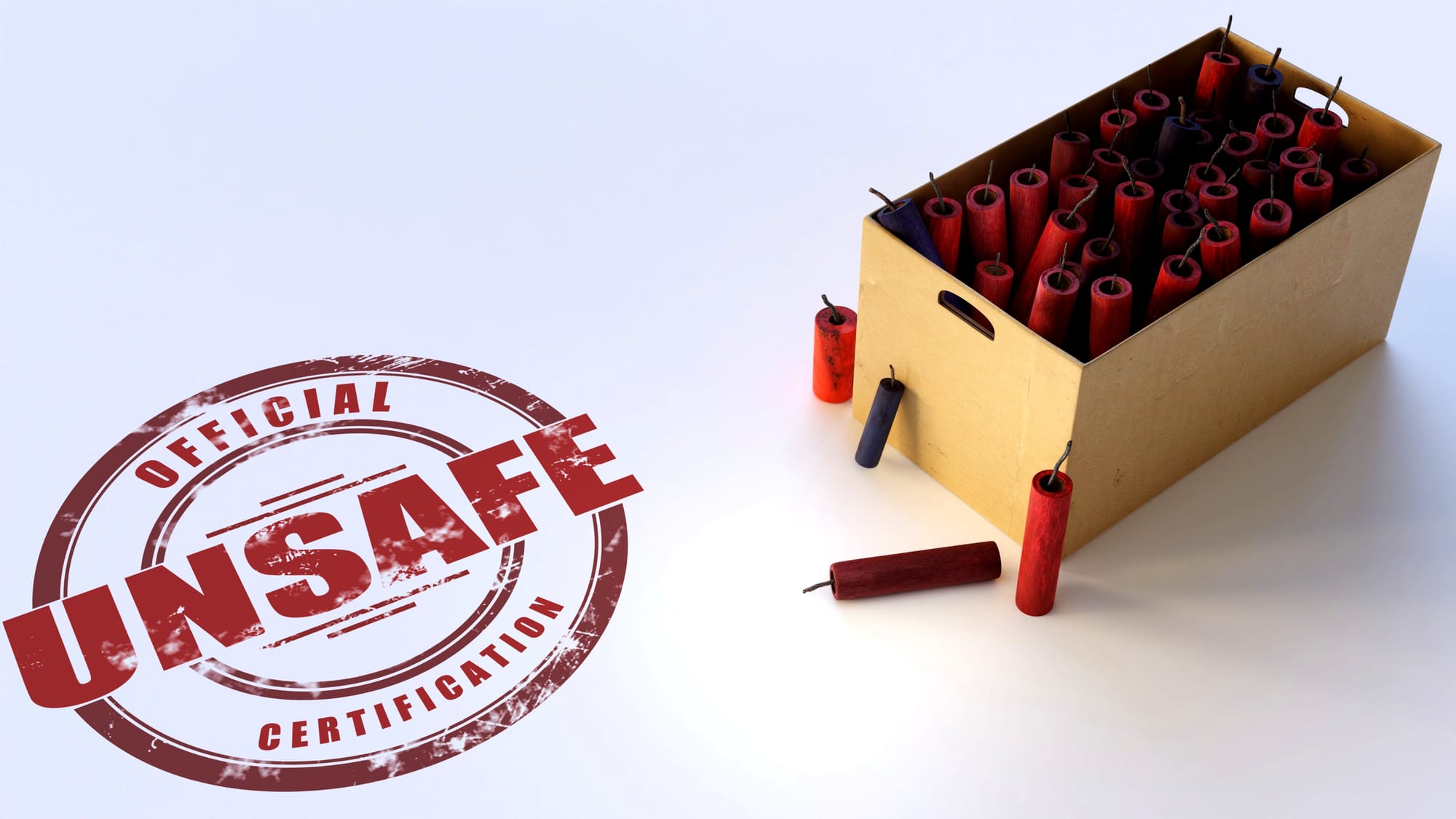
Buying fireworks online can be convenient, cost effective, and a great way to access a wider selection than many local shops. It also comes with responsibilities. Fireworks are regulated consumer products that can cause injury, fires, and legal trouble if you buy the wrong item, ship it to the wrong place, or handle it poorly.
This guide is written for everyday shoppers who want to celebrate safely and stay within the law. Laws and shipping rules vary by country, state, province, county, city, and even by season. Always verify your local rules and follow all product instructions. If you are shopping at a fireworks store site like Discount Fireworks, or anywhere else, use these tips to reduce risk and make smarter choices.
Tip 1: Confirm your local fireworks laws before you shop.
Start with the rules where the fireworks will be delivered and used, not where the seller is located. Many areas allow some “consumer fireworks” but ban others, and some places restrict use to specific dates or require permits. Look up your state or provincial statutes, then check your county and city ordinances. Pay attention to rules about noise, burn bans, and public land use.
If you are unsure, call your local fire department, city clerk, or non emergency police line and ask what is legal to possess and use at your address. Save the link or a screenshot of the official guidance so you can reference it later. Doing this first prevents wasted money on items you cannot legally receive or use.
Tip 2: Learn the difference between consumer fireworks and display fireworks.
Many countries separate fireworks into categories. In the United States, common consumer items fall under 1.4G classifications, while professional display shells and many large aerial items can fall under 1.3G and other regulated categories. Display fireworks typically require licensed operators, permits, and specialized storage and transport.
When browsing online, read the category labels carefully. If a listing hints at “professional,” “display,” “operator required,” or “license required,” do not assume it is fine for home use. Buying the wrong class can lead to order cancellation, legal exposure, or unsafe use. Stick to products clearly marketed and labeled for consumer use when you are an ordinary buyer.
Tip 3: Check age requirements and be ready to verify your identity.
Age limits vary widely. Some places set the minimum age at 16, 18, or 21 for purchase or possession. Reputable online sellers may require age affirmation at checkout and may use age verification services or request ID for higher risk orders.
Do not try to bypass these checks. If you are buying for an event, make sure the purchaser, the recipient, and the person supervising use all meet local age rules. If a site has no mention of age restrictions, that is a red flag. Responsible fireworks retail includes clear age and compliance messaging.
Tip 4: Buy from established sellers with a real business identity.
Look for a physical address, phone number, customer service hours, and clear company name on the website. Search the business name plus terms like “reviews,” “complaint,” “address,” and “refund.” A legitimate fireworks store will generally have a track record, consistent branding, and multiple ways to contact them.
Be cautious with sites that provide only a contact form, hide their address, or use recently created domains. You can also check how long a domain has existed using a public domain lookup tool. A stable company presence does not guarantee perfection, but it strongly reduces the risk of scams and counterfeit items.
Tip 5: Verify the website security before entering payment information.
Only shop on sites that use HTTPS, meaning the web address begins with “https://” and your browser shows a secure connection indicator. HTTPS does not guarantee the seller is honest, but it helps protect your payment and personal details from interception.
Also look for basic hygiene such as a modern checkout, recognizable payment methods, and a privacy policy. Avoid checking out on pages that look broken, full of pop ups, or that redirect unexpectedly. If a site asks you to email card details or pay through unusual methods, leave immediately.
Tip 6: Use payment methods with strong buyer protections.
Credit cards often provide dispute rights if the item never arrives or the seller misrepresents the goods. Some digital wallets add another layer of protection by keeping your card number private. Bank transfers, wire payments, crypto only checkouts, and gift cards offer limited recourse and are frequently used in scams.
Before you pay, confirm the billing descriptor and the merchant name match what you expect. Save your order confirmation and any email receipts. If something goes wrong, documentation helps you resolve it faster with the seller or your payment provider.
Tip 7: Avoid “too good to be true” pricing and unrealistic claims.
Fireworks have regulated manufacturing, shipping, and storage costs. Extremely low prices, “warehouse liquidation” language, or claims like “legal everywhere” should make you cautious. Scammers often lure buyers with high end brand names at impossible discounts, then ship nothing or send unrelated goods.
Also watch for sensational performance promises. Responsible retailers describe effects, shot count, duration, and safety distance, not exaggerated claims about explosive power. Good listings help you choose the right product for your space and comfort level.
Tip 8: Read the product description for compliance clues.
A trustworthy listing often includes brand, product name, shot count, caliber where relevant, effect description, safety distance, and sometimes net explosive content information. It should also include warnings and safe use notes. Poor listings with vague descriptions can indicate low quality sourcing or counterfeit goods.
Look for consistent labeling terminology. In many regions, consumer fireworks have standardized markings and warning language. If the listing uses odd phrasing, inconsistent measurements, or no safety guidance at all, choose another item or another seller.
Tip 9: Check shipping restrictions for your address and your season.
Shipping fireworks is not like shipping shirts. Many carriers restrict what they will carry, where they will deliver, and under what conditions. Some sellers ship only to certain states or only to commercial addresses. Others require adult signatures or limit shipments during extreme heat.
Before ordering, confirm that shipping to your zip or postal code is allowed for the items in your cart. If the seller provides a shipping map or eligibility tool, use it. If you are near a restricted boundary, do not assume you can “try anyway.” A responsible seller will cancel or modify the order rather than ship illegally.
Tip 10: Understand hazmat fees, handling fees, and freight delivery options.
Depending on the jurisdiction and product class, fireworks may ship with special handling, hazmat fees, or freight service. These fees are not automatically a rip off, they reflect real compliance and transport costs. Review the checkout totals and shipping method details before paying.
If freight delivery is offered, check whether it is curbside, driveway, or terminal pickup. Confirm if you need a forklift, a liftgate service, or a scheduled appointment. Misunderstanding freight terms can cause failed deliveries, extra charges, or product sitting in the wrong place too long.
Tip 11: Choose a delivery location that is safe and legal.
Some buyers try to ship to a different address to bypass local restrictions. That can create legal risk and can also cause safety issues if the recipient is unprepared to store the order. Instead, use a lawful delivery address where an adult can receive the package and store it properly.
If you live in an apartment, confirm building policies. Many leases prohibit storage of fireworks. Consider a legal pickup location if offered by the seller. The goal is to avoid leaving packages unattended, exposed to heat, or accessible to children.
Tip 12: Plan your timing, do not order at the last minute.
Fireworks demand spikes around major holidays. Carriers get overloaded, weather can delay routes, and sellers can run out of popular items. Ordering early gives time for lawful shipping, age verification steps, and any corrections if an item is out of stock.
Early ordering also supports safer decision making. You can review your purchase calmly, read the instructions, and plan your firing layout. Last minute buying often leads to poor choices and rushing, which increases injury and fire risk.
Tip 13: Read the return policy and cancellation rules before checkout.
Because fireworks are hazardous or regulated, return policies can be stricter than typical retail. Some sellers do not accept returns on opened cases. Others allow cancellations only before shipment. Understand what happens if you change your mind, if weather cancels your event, or if local restrictions change.
Look for clarity on who pays return shipping, whether there are restocking fees, and how refunds are processed. If the policy is missing or vague, contact customer service before ordering. A legitimate fireworks store will have written, accessible policies.
Tip 14: Look for clear instructions, warning labels, and lot tracking.
Fireworks should include safety instructions and warning labels on the product packaging. If the seller shows photos, zoom in and see whether labels appear professional and consistent. Lot numbers and manufacturing codes can be important if a recall occurs.
Avoid products that appear relabeled, damaged, or missing required warnings. If you receive items without labels, do not use them. Contact the seller immediately with photos. Proper labeling is both a safety necessity and a sign of compliant sourcing.
Tip 15: Be cautious with third party marketplaces and unknown sellers.
Major marketplaces often host third party sellers. While some are legitimate, others can be hard to vet. Fireworks listings may also be restricted or removed in some jurisdictions, leading to inconsistent availability and limited support if something goes wrong.
Whenever possible, buy directly from a specialized fireworks store that focuses on compliance and customer education. If you do use a marketplace, verify the seller’s identity, read recent reviews, and confirm that the listing is not trying to bypass local law by mislabeling the product.
Tip 16: Protect yourself from phishing and fake “order problem” messages.
After you shop, scammers may send emails or texts pretending to be the seller or the carrier, claiming a delivery problem and asking you to “confirm payment” or “verify address” through a link. Do not click links in unexpected messages.
Instead, log in to your account on the official website by typing the address yourself, or call the phone number listed on the seller’s site. Confirm shipping updates through the official carrier tracking page. This simple habit prevents account takeover and payment theft.
Tip 17: Keep your personal information minimal and appropriate.
Online fireworks purchases may require a shipping address, billing address, contact email, and sometimes age verification. That is normal. Requests for unnecessary sensitive data, such as social security numbers, unrelated documents, or excessive identity information, are not normal for standard consumer purchases.
Review the privacy policy to understand how your data is used. Use a strong unique password for your shopping account and enable two factor authentication if available. If you are buying from a site like Discount Fireworks, use the official checkout and avoid sending personal data over email unless customer service instructs you through a verified channel.
Tip 18: Confirm storage and possession rules in your area.
Some jurisdictions regulate not only use, but also storage limits. There may be rules about how much you can possess at home, how long you can keep it, and where it can be stored. Homeowners associations and rental agreements may add restrictions even when local law allows fireworks.
Before ordering bulk quantities, confirm you can store them legally and safely. If you cannot, consider smaller quantities or plan to pick up closer to the event date. Safe storage is a major part of buying responsibly.
Tip 19: Inspect delivery packaging immediately and document any damage.
When your package arrives, check the outer box for crushing, punctures, or signs of water exposure. Take photos before opening, especially if there is visible damage. Open the package in a well ventilated area away from heat sources, flames, or smoking.
Check that items match your invoice and that the product packaging is intact. If anything appears torn, damp, leaking powder, or unusually dusty, do not use it. Contact the seller promptly with photos and order details. Good retailers would rather replace a questionable item than risk unsafe use.
Tip 20: Store fireworks correctly from the moment they arrive.
Keep fireworks in a cool, dry place away from direct sunlight, ignition sources, and flammable liquids. Do not store them in a hot car, near a water heater, or next to grills. Use a sturdy container that protects from moisture but does not create additional hazards. Follow local guidance and common sense.
Most importantly, keep fireworks out of reach of children and pets. Consider using a locked cabinet or a secure area. Safe online buying includes safe storage. If you cannot store them properly, delay the purchase or buy smaller amounts closer to use.
Tip 21: Buy the right fireworks for your space, crowd size, and skill level.
Online shopping makes it easy to overbuy or choose items that are too intense for your environment. Evaluate your launch area, nearby buildings, trees, and the distance to spectators. Many cakes and aerial items require significant safety distances that may not be practical in small neighborhoods.
Choose products that fit the space and your experience. If you are new, consider smaller fountains, sparklers where legal, or low level items, and read instructions carefully. Buying responsibly means choosing fireworks you can use safely, not just the biggest effect.
Tip 22: Read every instruction before lighting anything, not during the event.
Online buyers often receive mixed assortments. Each item may have different lighting methods, fuse locations, and safety distances. Set aside time before the event to read labels, watch any official product videos the seller provides, and organize items by type.
Create a simple plan for your show, including what order you will light items and where each will be placed. This reduces confusion in the moment. A calm, organized setup prevents mistakes like lighting the wrong fuse, placing a cake sideways, or crowding multiple items too closely.
Tip 23: Prepare your safety equipment and your site like a pro.
Safe use is part of safe buying. Before your fireworks arrive, plan for basics: a hose connected and ready, buckets of water, a fire extinguisher appropriate for ordinary combustibles, a first aid kit, and a clear spectator boundary. Have a dedicated sober adult in charge of lighting and another adult watching the crowd.
Set up a flat stable launching area away from dry grass, debris, and overhead obstructions. Use bricks or stable racks where appropriate for items that need support, but never modify fireworks beyond the instructions. If conditions are windy or under a burn ban, postpone. Buying legally also means using legally and responsibly.
Tip 24: Handle misfires and duds safely, and never relight immediately.
Misfires happen. If an item fails to ignite or stops unexpectedly, do not approach right away. Follow the product guidance, if none is available, a common safety practice is to wait several minutes before approaching. Keep spectators away during that time.
Do not try to relight a dud by leaning over it. After waiting, soak the item in water before disposal according to local rules. If a particular product type repeatedly misfires or behaves unpredictably, stop using that batch and contact the seller with the lot information and videos if safe to capture from a distance.
Tip 25: Keep records, know how to report issues, and stay informed about recalls.
Save your order confirmation, invoice, and any packaging that shows the product name and lot code. If an incident occurs, these details help the seller investigate and help authorities identify patterns. If you believe a product is defective, report it to the seller first and follow local guidance for reporting hazardous consumer products.
Also watch for official recall notices in your region. Responsible retailers and manufacturers may publish recall information. Keeping records makes it easier to confirm whether your items are affected. Smart online buying is not just a one time transaction, it is an ongoing commitment to safety and compliance.
Practical checklist you can reuse before every online order
Legal to possess, legal to use, legal to ship to your address.
Seller identity verified, clear policies, secure checkout.
Product class confirmed as consumer where applicable, clear labeling and instructions.
Shipping method and delivery requirements understood, timing planned.
Safe storage available at home, safe site plan ready for use.
Online shopping can be a safe and lawful way to prepare for celebrations when you take the time to verify legality, choose reputable sellers, and plan for responsible storage and use. Whether you shop with Discount Fireworks or another fireworks store, these 25 tips help you protect your household, your guests, and your community while still enjoying the show.