Top 20 Fireworks to Build a Backyard Show, Effects, Timing, and Finale Ideas
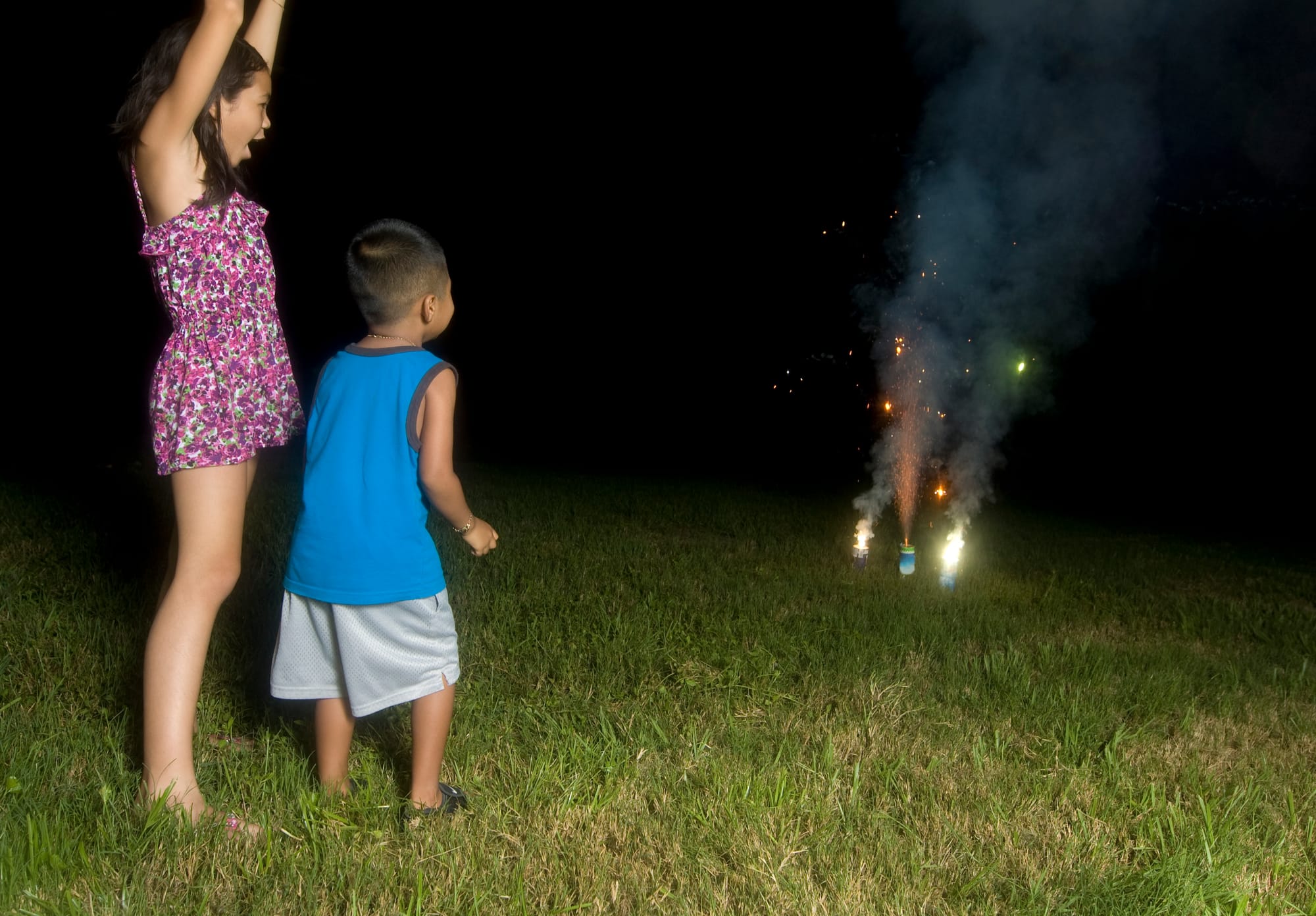
Discount Fireworks guide: Building a great backyard fireworks show is less about buying the biggest item and more about choosing complementary effects, controlling timing, and saving your strongest pieces for a clean, memorable finish. This article lays out a practical, consumer friendly plan using 20 common fireworks types you can mix and match, plus pacing tips, cueing ideas, and a few finale formulas that work in real backyards.
Important safety note: Always follow local laws, product instructions, and common sense safety practices. Use a clear firing zone, stable level ground, sober operators, eye protection, a water source, and keep spectators upwind at a safe distance. If you are not fully confident, simplify the show to low level items like fountains and novelties.
How to think about a backyard show: A satisfying show usually has four chapters. First, a welcoming opener that tells everyone the show has started. Second, a middle section that rotates effects so the audience never gets bored. Third, a ramp up where shots get taller, louder, and brighter. Fourth, a finale where multiple pieces overlap and end decisively.
Before you buy: Pick a target show length. For most backyards, 6 to 10 minutes feels exciting without feeling rushed or dragging. Then decide your mix of low, mid, and high effects. Low effects include fountains and ground spinners. Mid height effects include small cakes and roman candles. High effects include larger multi shot cakes and reloadable shell kits where legal.
Spacing and layout basics: Place ground effects near the front of the firing line so they are visible. Place aerial cakes and shells farther back, centered, and oriented away from people. Keep separate zones for fountains, small aerial items, and your largest aerial items. If wind is present, rotate the line so fallout drifts away from spectators, houses, cars, and trees.
Timing basics you can use without equipment: If you are lighting by hand, plan with natural gaps. Let one item run, then light the next during the last few seconds of the current item so you get gentle overlap. Save true overlapping chaos for the finale when everyone expects intensity. If you are using a consumer firing system, you can tighten timing, but you still need to allow space for signature moments.
Top 20 fireworks to build a backyard show, with effects, timing, and use cases
- 1. Classic fountains, the reliable openerFountains are the easiest way to start your show because they are bright, low risk compared with aerial items, and they give everyone time to settle in. Look for fountains that change color, add crackle, or include a small whistle phase. Use fountains to establish rhythm and to fill short gaps between aerial sequences. A good fountain also looks great on camera because it lights faces and foreground.
- Effect profile: Ground based sprays, color stars, crackle, occasional whistles.
- Best timing: Opener and transitions, 20 to 60 seconds each.
- Pro tip: Light two matching fountains in a row, then switch to a different style to signal the show is building.
- 2. Color changing fountains, your first wow momentA fountain that clearly shifts colors, for example red to green to blue, adds structure to the early show. The audience understands that you are not just lighting random items. Use these after the first basic fountain, or pair them left and right for symmetry. If you want a polished look, choose a fountain with distinct segments that change every 8 to 12 seconds so the change reads from a distance.
- Effect profile: Bright colored plumes, changing phases, sometimes reports.
- Best timing: Early show, immediately after a basic opener fountain.
- Pro tip: Use a calm color change fountain right before your first aerial effect to create contrast.
- 3. Crackle fountains, texture and sound without heightCrackle is a crowd pleaser because it adds sound and sparkle without needing altitude. A crackle fountain can make a small backyard feel like a bigger event. It also helps you bridge into louder aerial segments later. If you have neighbors close by, use crackle early and keep it short so you can gauge reactions before escalating.
- Effect profile: Dense glitter, crackling chrysanthemums, bright white sparkle.
- Best timing: Early to mid show, or right before a quiet effect to add contrast.
- Pro tip: Put a crackle fountain between two color themed sequences to reset the palette.
- 4. Ground spinners, fast energy at low altitudeGround spinners and ground blooms are a simple way to inject speed. They are perfect when you want a beat change without going louder. Use them in pairs, or do a quick trio to mimic a drum fill. They are also useful in the middle of the show when you want a break from aerial height.
- Effect profile: Spinning sparks, occasional color, rising whistle for some styles.
- Best timing: Between aerial segments, or to wake up a slow middle.
- Pro tip: Place spinners on a smooth, clear surface so they do not tip or aim unpredictably.
- 5. Smoke balls and daytime novelties, a bonus if you start at duskIf your gathering begins before full dark, a few smoke items can entertain kids and give the crowd something to watch while you wait for the right lighting conditions. They are not for the main nighttime show, but they can be a pre show chapter that makes the event feel complete.
- Effect profile: Colored smoke, small pops, minimal light.
- Best timing: Pre show at dusk, then stop before the main show.
- Pro tip: Keep smoke downwind from guests, and do not mix smoke items into your main show lineup.
- 6. Snaps and poppers, quick laughs and crowd participationSnaps are a novelty, but they can help you manage pacing if you need a minute to reset, move safely, or check your line. They are also a kid friendly way to let younger family members feel included under direct supervision. Use them far from your aerial firing zone so the operator can stay focused.
- Effect profile: Tiny reports on impact, minimal debris.
- Best timing: Pre show, or as a reset tool while your main operator prepares.
- Pro tip: If you want a clean production feel, keep novelty effects separate from the main soundtrack and narration.
- 7. Roman candles, controlled mid height color and rhythmRoman candles are great for building a beat because they fire repeated shots at steady intervals. They can be used as a bridge between fountains and cakes, or as a mid show sequence that adds a sense of choreography. The key is safe mounting. Never hold them, and never point them at people. Secure them in a rack, a bucket of sand, or another stable method approved by the product instructions.
- Effect profile: Repeating colored pearls, occasional crackle or report.
- Best timing: Early to mid show as your first real aerial rhythm.
- Pro tip: Use two candles side by side for a wider look, then follow with a small cake for a step up.
- 8. Comet tubes, a clean, modern lookComets shoot a single bright star that can be colored, strobing, or crackling. They feel more deliberate than random assortments because the effect is simple and readable. Use comets to punctuate transitions. For example, end a fountain sequence with two comet shots, then pause one second and light a cake. Comets also help if you want a quieter show, because many comet items are less explosive than heavy break shells.
- Effect profile: Single rising star, tail effects like glitter or strobe.
- Best timing: Transition punctuation, or to start a new chapter.
- Pro tip: Aim for symmetry, left comet then right comet, then a central cake for a three part pattern.
- 9. Mine effects, instant lift and crowd reactionA mine launches a bouquet of stars from the ground with a sudden burst, often with a wide spread and intense brightness. Mines look great in the front of the firing line because they fill the lower sky, leaving room above for aerial breaks. Mines are also excellent in finales because they add density at ground level while your aerial items cover the top.
- Effect profile: Wide fan of stars from low altitude, sometimes crackle.
- Best timing: Mid show emphasis moments, and especially in finales.
- Pro tip: Use mines right before a bigger aerial cake, the mine acts like a visual drum hit.
- 10. Small multi shot cakes, the backbone of your showCakes, also called barrages, are the easiest way to get consistent aerial action with minimal relighting. A small cake, for example 9 to 25 shots, is ideal for the middle chapters. Look for clear themes like peony to crackle, color wave, or brocade. Avoid buying only assortments where every effect is different unless you enjoy surprise more than choreography. Consistency makes your timing better.
- Effect profile: Multiple aerial shots with breaks, varying height and pace.
- Best timing: Middle of show, used as chapters, 20 to 45 seconds each.
- Pro tip: Alternate pace, one slower cake then one faster cake, so the audience feels progression.
- 11. Fan cakes, instant width and a professional shapeFan cakes fire shots at angles, creating a wide spread like a hand held fan. This is one of the best ways to make a small yard look bigger because you fill more of the sky at once. Use fan cakes when you want to change the look dramatically, for example after several straight up cakes. They also pair well with straight cakes, one fan, one straight, then a louder piece.
- Effect profile: Angled comets and breaks, wide horizontal coverage.
- Best timing: Mid show highlight, and in ramp up sections.
- Pro tip: Place fan cakes so their spread does not aim toward spectators or neighboring property, and account for wind drift.
- 12. Z shape and W shape cakes, motion that keeps attentionSome cakes fire in patterns that trace across the sky. That movement reads as choreography even when lit by hand. Use these when your show feels too vertical or repetitive. The audience will notice the motion immediately, and it sets you up for a bigger piece afterwards.
- Effect profile: Sequenced angled shots, sweeping left to right patterns.
- Best timing: Mid show, right after a calm segment to re energize.
- Pro tip: Save one movement cake for late in the show, it can be a ramp up trigger before your finale block.
- 13. Loud report cakes, use sparingly for punctuationCakes with strong reports, meaning louder breaks, can be thrilling but they can also fatigue the crowd if overused. Think of loud cakes as exclamation points. One well placed loud sequence in the last third of the show often feels bigger than three loud sequences spread everywhere. If you have noise sensitive neighbors, consider limiting loud breaks and choosing more color, glitter, and willow effects.
- Effect profile: Hard hitting breaks, often with crackle or titanium effects.
- Best timing: Late mid show or ramp up, not at the very beginning.
- Pro tip: Follow a loud cake with a quieter, elegant cake like willow or glitter to restore contrast.
- 14. Glitter and strobe cakes, sparkle that feels premiumGlitter, strobe, and silver wave effects give your show a high end look, especially on video. These effects hang longer in the air than quick color bursts, so they slow time in a good way. Use them after a fast, loud sequence to let the audience breathe. If you can pick one style to repeat across the show for cohesion, a silver strobe or gold glitter is a great anchor.
- Effect profile: Twinkling, strobing stars, lingering hang time.
- Best timing: Mid show contrast and late show elegance before finale chaos.
- Pro tip: Keep the sky clean, do not overlap too many glitter items or the detail gets lost.
- 15. Brocade and willow cakes, big sky presence without constant noiseBrocade crowns and willow breaks create large, draping patterns that feel grand even when they are not the loudest. They read well from far away and look impressive for guests filming on phones. Use willows as signature moments, not constant filler. A single strong willow sequence can be the emotional peak right before your final ramp up.
- Effect profile: Gold trailing branches, wide breaks, slow fall.
- Best timing: Late mid show, and as a pre finale feature.
- Pro tip: Pair a willow cake with low level mines at the same time for a layered look, only if you can do it safely.
- 16. Color pearl and dahlia cakes, clean color for themed sectionsPearls and dahlias make round, colorful bursts that are easy to read. This is perfect for building a themed mini chapter, for example a red and green segment or a patriotic segment. Even if you do not explicitly theme your show, repeating a specific color effect helps the audience feel structure.
- Effect profile: Bright round breaks, strong color saturation, moderate hang.
- Best timing: Mid show chapters, especially if you want a color theme.
- Pro tip: Group two similar color cakes back to back, then switch to a different effect type like glitter for contrast.
- 17. Whistle effects, excitement and anticipationWhistles create anticipation because the sound rises before the burst. They are great for building tension on the way to a finale, but they can be polarizing. Some guests love whistles, some do not. If you use whistles, keep them as a short section, and place them late so the energy is directed toward the finish.
- Effect profile: Rising whistles, sometimes with reports or color breaks.
- Best timing: Ramp up segment in the last quarter of your show.
- Pro tip: Combine whistles with one elegant, quiet effect before them, the sudden sound change increases impact.
- 18. Parachute effects, a surprise that slows the paceParachute items float and drift, creating a slow, magical moment. They are not about power, they are about variety. Use one parachute effect around the middle of the show, or right after a loud segment, to reset attention and give kids a memorable highlight. Do not use parachutes in windy conditions or near trees, because they can drift unpredictably.
- Effect profile: Single lift, then a glowing flare under a parachute.
- Best timing: Mid show palette cleanser, one to two minutes before you ramp up again.
- Pro tip: After a parachute, go immediately into a faster cake, the contrast feels like a new act.
- 19. Reloadable shell kits, big breaks for the last third where legalIn areas where they are legal, reloadable shells provide the classic large break look. They should be treated as premium moments, not background noise. Use them in a planned pattern, for example three shells spaced three seconds apart, then a cake. Because shells require careful loading and aiming, keep the operation simple and never rush. If you want a clean finale, use shells as accents over a running cake rather than firing them randomly.
- Effect profile: High aerial breaks, peonies, chrysanthemums, willows, sometimes crackle.
- Best timing: Late show highlights, and finale accents.
- Pro tip: Choose two shell effects that look different, for example one willow and one color peony, and alternate them for variety.
- 20. Finale cakes, the closer that makes people cheerA finale cake is built for intensity. It may have faster firing, bigger breaks, more noise, or multi level effects. The key to a great finale is not just buying one big item, it is timing it so it feels like the natural culmination of everything before it. Ideally your finale cake starts with a strong pace, builds, and ends with a burst or rapid volley that clearly signals the end. If you have multiple finale style cakes, run the less intense one first and save the fastest for last.
- Effect profile: Rapid fire sequences, mixed breaks, sometimes multi stage or multi caliber.
- Best timing: Final 45 to 90 seconds of the show.
- Pro tip: Add a layer under your finale, like two mines or two fountains, so the finale fills both low and high sky.
How to arrange these 20 into a complete backyard show script You do not need all 20 types every time, but the list gives you building blocks. Below is a simple structure you can adapt whether you are shopping at Discount Fireworks for a small family display or a bigger neighborhood event.
Suggested chapter plan for a 8 to 10 minute show
- Chapter 1, Welcome and warm up, about 60 to 120 seconds: Start with 1 to 2 fountains, then a crackle fountain or a spinner set. End the chapter with 1 to 2 comets or a short roman candle segment to signal that aerial effects are coming.
- Chapter 2, First aerial act, about 2 to 3 minutes: Use two small cakes with different styles, for example a color pearl cake then a glitter cake. Add a fan cake to widen the sky, then return to a straight up cake so the fan feels special.
- Chapter 3, Variety and pacing, about 2 to 3 minutes: Insert one surprise effect like parachutes or a movement cake. Add a mine effect or two for low sky texture. Keep this chapter less loud than the finale so you still have somewhere to go.
- Chapter 4, Ramp up and finale, about 2 to 3 minutes: Bring in louder report cakes or whistle effects, then a big willow or brocade moment. Finish with your finale cake, layered with mines or a final pair of fountains if your space allows.
Timing tips that make hand lighting look coordinated
- Use planned overlap, not constant overlap: Let one piece reach its last third, then light the next. This keeps the sky active without becoming a blur.
- Count in your head: Many cakes fire in a steady rhythm. Once you hear the interval, you can time the next light. A simple method is to count four beats after a strong burst, then light the next item.
- Alternate fast and slow: If you run three fast cakes in a row, the audience adapts and it stops feeling fast. A slower glitter cake between two fast cakes makes both fast cakes feel faster.
- Keep a reset buffer: Plan one low stress item, like a fountain, around the middle so the operator can check spacing, confirm nothing tipped, and prepare the next section calmly.
- End chapters clearly: Pick items with a recognizable finish, for example a cake that ends with a quick volley, then leave a one second pause before starting the next chapter.
Effects pairing ideas that look bigger than your budget
- Low plus high layering: Combine a mine or bright fountain with a mid height cake. The audience sees two layers, which reads as a larger show.
- Width plus height: A fan cake followed by a tall straight cake makes the sky feel wider and taller, even if both items are modest size.
- Quiet elegance after loud impact: After a loud report cake, use a willow or glitter effect. The contrast makes the elegant piece feel premium, not weak.
- Theme by repetition: Repeat one signature look three times across the show, for example silver strobe breaks. Repetition creates identity.
Finale ideas that work in real backyards
Finale idea 1, The layered wall This finale is about filling the entire view, low and high, with minimal complexity. Start a fast firing cake, then add two mines near the front halfway through, then finish with a second fast cake or your strongest finale cake. The goal is continuous sky coverage with one obvious peak at the end.
- Sequence: Fast cake, then mines at the halfway point, then strongest finale cake.
- Why it works: Layering makes the finale feel larger without needing many high risk items.
- Timing: Begin mines when the first cake is still active, not after it ends.
Finale idea 2, The triple step ramp This finale uses three steps, each louder or faster than the last. Step one is a medium cake with a strong look. Step two is a loud report or whistle cake. Step three is the finale cake. If you have shells, add one shell at the start of each step, spaced several seconds apart, for a deliberate stadium style feel.
- Sequence: Medium feature cake, then loud or whistle cake, then finale cake.
- Why it works: The audience feels the climb, and the last step lands cleanly.
- Timing: Leave little to no pause between steps two and three.
Finale idea 3, The elegant crown into chaos This finale starts with a single beautiful moment, then explodes into rapid fire. Use a brocade or willow cake as the opening statement, then when its trails are still hanging, light your finale cake. The lingering gold trails create a canopy while the finale punches through.
- Sequence: Willow or brocade cake, then immediately finale cake.
- Why it works: It combines beauty and intensity, which feels intentional and cinematic.
- Timing: Light the finale during the hanging portion of the willow, not after the sky goes dark.
Common backyard show mistakes, and how to avoid them
- Starting too big: If your first item is your loudest, everything later feels flat. Start with fountains or small cakes, then build.
- Using only random assortments: Variety is good, but total randomness kills pacing. Choose a few repeatable effect themes and sprinkle surprises.
- Too many pauses: Long silent gaps feel like the show ended. Plan safe overlap points, especially in the middle chapters.
- Too much noise for the space: In tight neighborhoods, heavy reports can turn fun into complaints. Balance loud items with glitter, color, and willow effects.
- Unstable placement: The best choreography in the world fails if items tip. Use flat ground, braces, and follow label instructions for securing.
Shopping strategy at Discount Fireworks, build your cart like a show designer Think in categories rather than grabbing one of everything. For a balanced backyard show, many people do well with a mix like this: 3 to 5 fountains, 1 to 2 novelty packs for the pre show, 1 roman candle set or comet tubes for rhythm, 4 to 6 small to mid cakes for the main body, 1 to 2 specialty cakes such as fan or movement, then 1 dedicated finale cake. If shells are legal in your area and you have the space and experience, add a small shell accent pack for the last third.
Example build for a smaller budget, about 5 to 7 minutes
- 2 fountains, one color change and one crackle.
- 1 spinner set.
- 3 cakes, one color pearl, one glitter, one faster cake to close.
- Optional, 1 comet tube pack to connect sections.
Example build for a medium budget, about 8 to 10 minutes
- 4 fountains, including one crackle and one bright color change.
- 1 roman candle rack or multiple roman candles secured safely.
- 5 cakes, mixing straight, fan, glitter, and one loud punctuation cake.
- 1 specialty surprise effect, such as parachute.
- 1 strong finale cake, plus 2 mines for layering.
Example build for a bigger backyard show, about 10 to 12 minutes
- 5 fountains, planned as mini sets, including one used as a mid show reset.
- 2 rhythm tools, comets and roman candles.
- 7 to 9 cakes, including at least one fan cake, one movement cake, one willow or brocade feature, and one loud punctuation cake.
- Optional where legal, a reloadable shell kit used only in the last third as accents.
- 2 finale style cakes, run as step two and step three of your finish, plus mines for low level density.
One last pacing trick, the rule of three If you are unsure how to arrange your items, group them in threes. Three fountains feel like an opener set. Three cakes feel like an act. Three strong items in a row feel like a finale ramp. Within each set, go from simple to complex or from quiet to loud. This basic pattern alone can make a backyard assortment feel like a choreographed show.
Conclusion A great backyard display is built on intentional choices, not just volume. Use fountains and ground effects to set the stage, use small cakes for structure, use fan and movement cakes to widen the sky, and reserve willows, shells, and finale cakes for the last act. With the 20 fireworks types above, plus smart timing and one of the finale formulas, you can build a show that feels balanced, exciting, and memorable.